

Sometimes a song doesn’t need a wall of heavy distortion or thundering drums to kick you in the chest. When Rise Against put out “Hero of War,” they stripped everything away, just an acoustic guitar and a raw, vulnerable vocal. It felt less like a punk track and more like a confession, holding up a mirror to the complex, often hushed experiences of a significant portion of Global War on Terrorism (GWOT) veterans.
The song tells the story of a single, unnamed soldier. But in doing so, it captures the psychological trajectory of a generation of service members who stepped forward after 9/11.
The Recruiter’s Seduction and the Diverse Path to Enlistment
The song begins with the classic pitch: “He said, ‘Son, have you seen the world? Well, what would you say if I said that you could?’”
For many who joined the military post-9/11, enlistment was driven by a complex web of motivations. It is incredibly important to note that no single veteran’s experience is universal, and this song nor this post does not claim to speak for everyone. Many served with high distinction, found life-long purpose, and look back on their service with pride.
However, for a huge cohort of GWOT veterans, the entry point was a mixture of fervent post-9/11 patriotism, economic necessity (the promise of stable pay, healthcare, and the GI Bill), and a search for direction in a structured path out of small-town life.
The Slow Creep of Moral Injury
Where “Hero of War” cuts deepest is its depiction of moral compromise. The protagonist does not start as a malicious person. In the second verse, when his unit begins abusing a prisoner, his first instinct is humane: “I told them to stop, but then I joined in…”
This captures the terrifying power of group dynamics and systemic desensitization in high-stress combat zones. It is a portrayal of moral injury, the psychological distress that results from participating in, failing to prevent, or witnessing acts that transgress deeply held moral beliefs.
The climax of the song, accidentally shooting a woman who was carrying a concealed white flag, shatters the protagonist’s remaining illusions. The flag he ultimately brings home and trusts is not his country’s banner, but that “flag white as snow”: “She collapsed to the ground, got smoke in my eyes… I brought home that flag, now it gathers dust. But it’s the only flag that I trust.”
The shift in the chorus from the beginning to the end of the song masterfully maps this internal journey. In the beginning, enlistment brings the naive ideal of “A hero of war, yeah, that’s what I’ll be.” By the end, after experiencing the gray reality of combat, the veteran looks at civilian adulation and asks, “A hero of war, is that what they see?”
The Unfair Standard: Survivorship Bias and Historical Mythmaking
One of the heaviest burdens GWOT veterans carry when returning home is the weight of society’s expectations, shaped largely by survivorship bias and a heavily sanitized, romanticized view of past conflicts.
We have a habit of viewing history through highly polished media lenses:
- The WWII Standard (“The Good War”): Movies like Saving Private Ryan or series like Band of Brothers, while gritty, still present a largely cohesive, morally clear narrative of good versus evil with an obvious, victorious end.
- The Vietnam Narrative: Documentaries and films often flatten Vietnam veterans into tragic, uniform archetypes: either broken victims or wild rebels, leaving little room for nuance.
When civilians judge GWOT veterans, they often do so using these media-derived metrics. They expect the stoic, uncomplicated hero of a World War II documentary.
This creates a massive disconnect. The Global War on Terrorism was defined by muddy counter-insurgency, nation-building, vague exit strategies, and fighting an often-invisible enemy embedded in civilian populations.
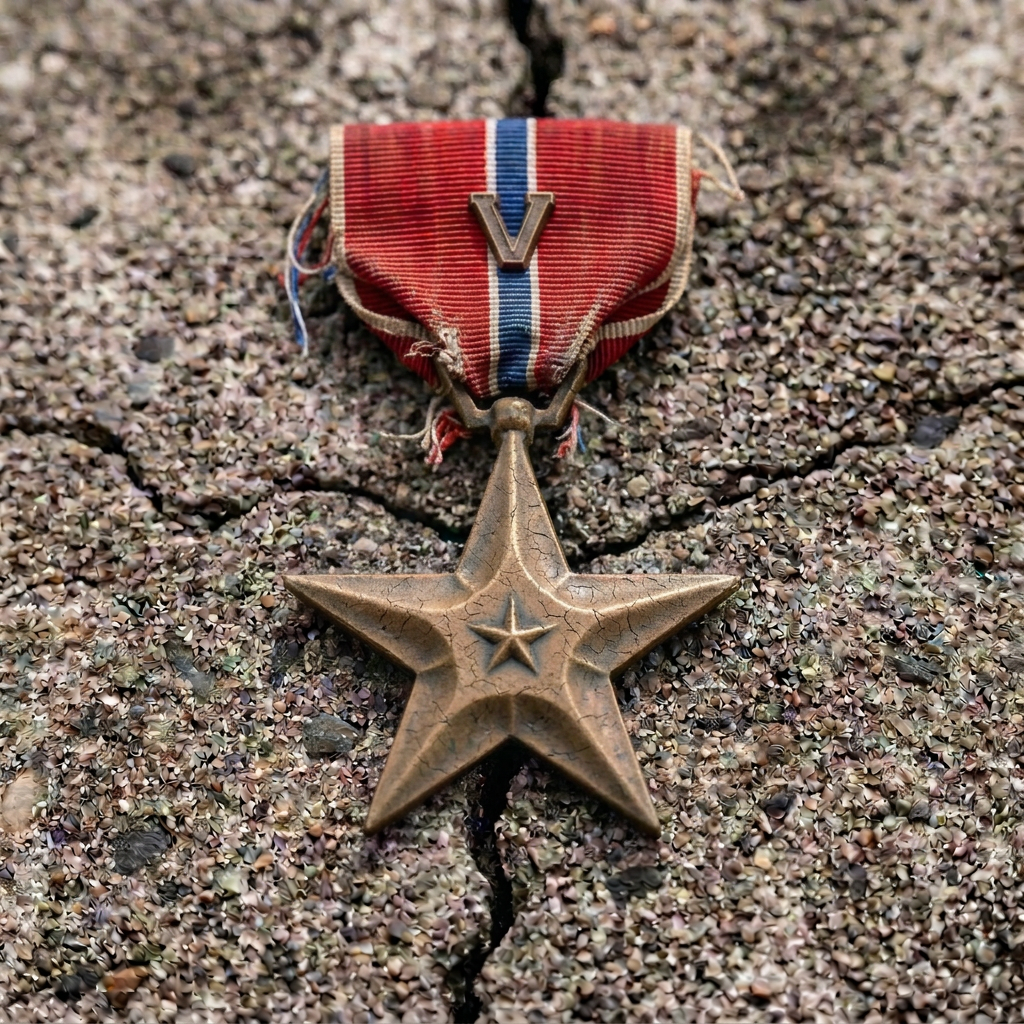
When a GWOT veteran returns home feeling conflicted about what they saw, did, or what the war ultimately achieved, civilian society often doesn’t know how to handle it. Well-meaning citizens default to a generic, “Thank you for your service,” or look at them as “heroes” with “medals and scars,” without wanting to understand the morally complex reality behind those accolades.
A Message, Not a Monolith
“Hero of War” doesn’t pretend to represent every hand that ever held a rifle. But by telling one devastatingly honest story, it gave voice to a very real, very common post-9/11 experience. It demands that we look past the bumper-sticker patriotism, stop forcing veterans into flat, cinematic boxes, and actually listen to the heavy, complicated truths they bring home.
Let’s change how we listen.
Our veterans didn’t live through a Hollywood movie, and they shouldn’t have to pretend they did just to make civilian society comfortable. When we sanitize their service, we make it harder for them to speak their truth. This disconnect directly fuels the stigma surrounding mental health, leaves returning service members feeling isolated, and feeds the tragic veteran suicide epidemic.
If we want to improve mental health care and save lives, we have to start by opening up real, raw conversations. Let’s drop the cinematic expectations and meet our veterans exactly where they are: nuance, scars, questions, and all.
How can we as a community do a better job of creating safe spaces for veterans to share their actual, unvarnished stories? Let’s talk about it in the comments below.
